One World 2026 online
You can watch films from the 27th edition of One World International Documentary Film Festival 2026 from the comfort of your home with the CINEPASS ONLINE. We offer you a selection of unique documentaries. The films are available from October 26 to November 1, 2026. Note: The films are only available within Slovakia. If you experience any technical issues, please contact us at jedensvet@clovekvohrozeni.sk.
You can watch the online selection of films exclusively with a special CINEPASS ONLINE, no matter where you are in Slovakia. Individual tickets for online films will not be available. You have three pricing options: €3 / €20 / €30. It’s entirely up to you which one you choose. If you love One World and want to support us, feel free to choose a higher amount, we’ll appreciate it!
You can start watching the films on October 26, 2026, from 00:01.
Watch online
Watch films with a CINEPASS ONLINE, available only in the Slovak territory.
You can watch the films on October 26, 2026 from 00:01.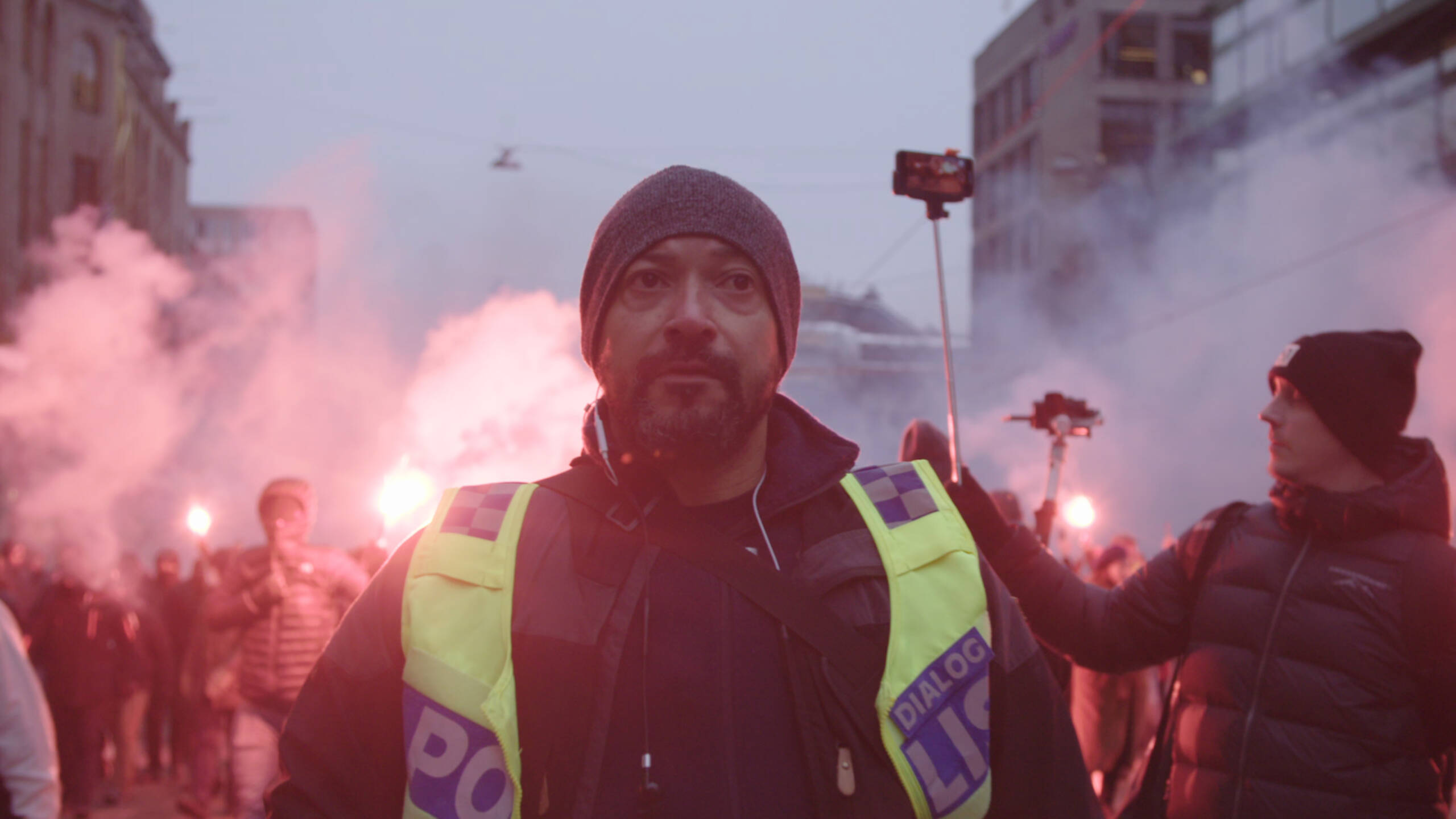
The Dialogue Police
In a time of growing political tension and protests, the documentary "The Dialogue Police" follows the work of a special unit within the Swedish police that relies exclusively on dialogue rather than coercive measures. Their goal is to prevent conflict between protesters and the police and to ensure that citizens can safely express their opinions. Director Susanna Edwards offers an intense and human perspective on those who stand between protesters and power, often on the brink of exhaustion. The film is not only a timely testament to the fragility of democracy but also a reminder that dialogue remains its most powerful weapon. The film The Dialogue Police won the Docs Journalistic Relevance Award at the Docs Barcelona 2025 festival (Spain).
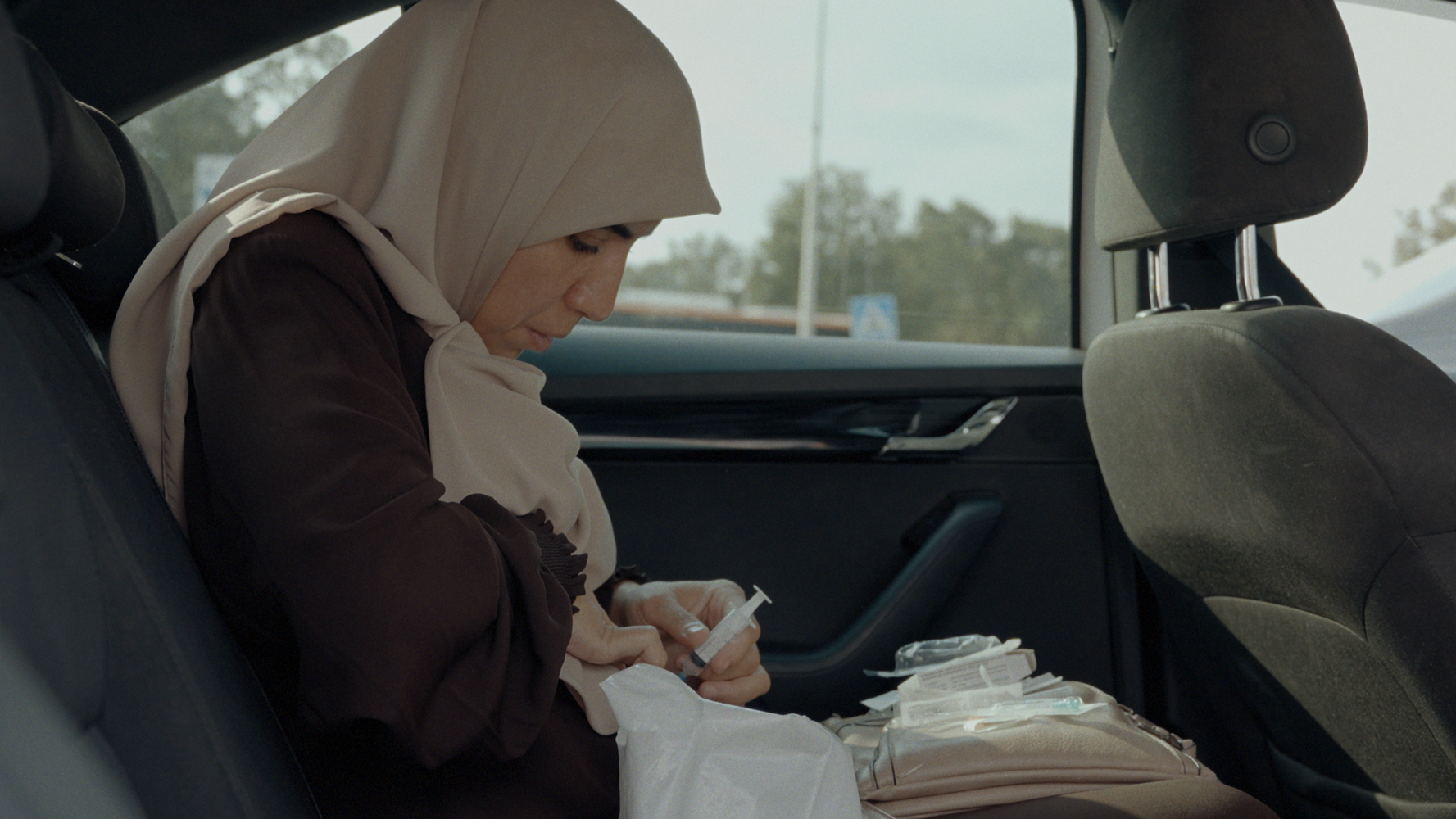
For Life
For more than twenty years, Hind has lived a marriage shaped by absence. Her spouse is serving a life sentence in an Israeli prison, one of thousands of Palestinian men incarcerated far from their families. Visits are rare, physical contact is forbidden, and intimacy is impossible. Yet Hind still dreams of becoming a mother. Through an extraordinary underground network, Palestinian prisoners have found a way to smuggle their sperm out of prison, allowing their wives to conceive through IVF. The film follows Hind through the intimate stages of this journey: secret phone calls, medical appointments, moments of hope, and devastating uncertainty. Interwoven with Hindʼs story are the voices of other women, doctors, and former prisoners who reveal the human cost of incarceration beyond prison walls. The film moves between domestic spaces and heavily restricted institutions, showing how love, desire, and parenthood persist even under extreme control. Told entirely through real-time observation, the film reframes motherhood not as a private desire, but as a space shaped by power, control, and enforced absence. It offers an intimate, restrained portrait of women whose bodies become quiet sites of resistance, and of lives suspended between waiting, hope, and the cost of endurance. The film For Life had its world premiere at the Visions du Réel 2026 International Film Festival in Nyon (Switzerland).

Traces
Six Ukrainian women – Iryna, Liudmyla, Halyna, Tetiana, Olha, and Mefodiivna – who experienced sexual violence and torture during Russiaʼs war of aggression in Ukraine from 2014 to 2023 refuse to remain silent. Each woman is a survivor who shares her story in this psychological portrait, creating a unique document of the crime committed, inspired by a desire to preserve the memory of truth and justice. The women are all members of SEMA Ukraine, the Ukrainian community of women survivors of sexual gender-based violence and conflict-related sexual violence. Alisa Kovalenko and Marysia Nikitiuk accompany Iryna Dovhan, a survivor who has become an activist, as she documents the testimonies of other survivors in the liberated territories of Ukraine. Through her story, the film creates a portrait of collective trauma while also leaving space for hope. Iryna brings these women together, helping them to transform their pain into a shared fight – for truth, justice, and unity. Despite the immense suffering, the film becomes more than a record of war crimes; it transforms into a testament to resilience and women standing side by side. Award: Audience Award in the Panorama Section (Panorama Audience Award) – Berlinale 2026 (Germany) After te screening there will be a Q&A with the director Alisa Kovalenko in English.
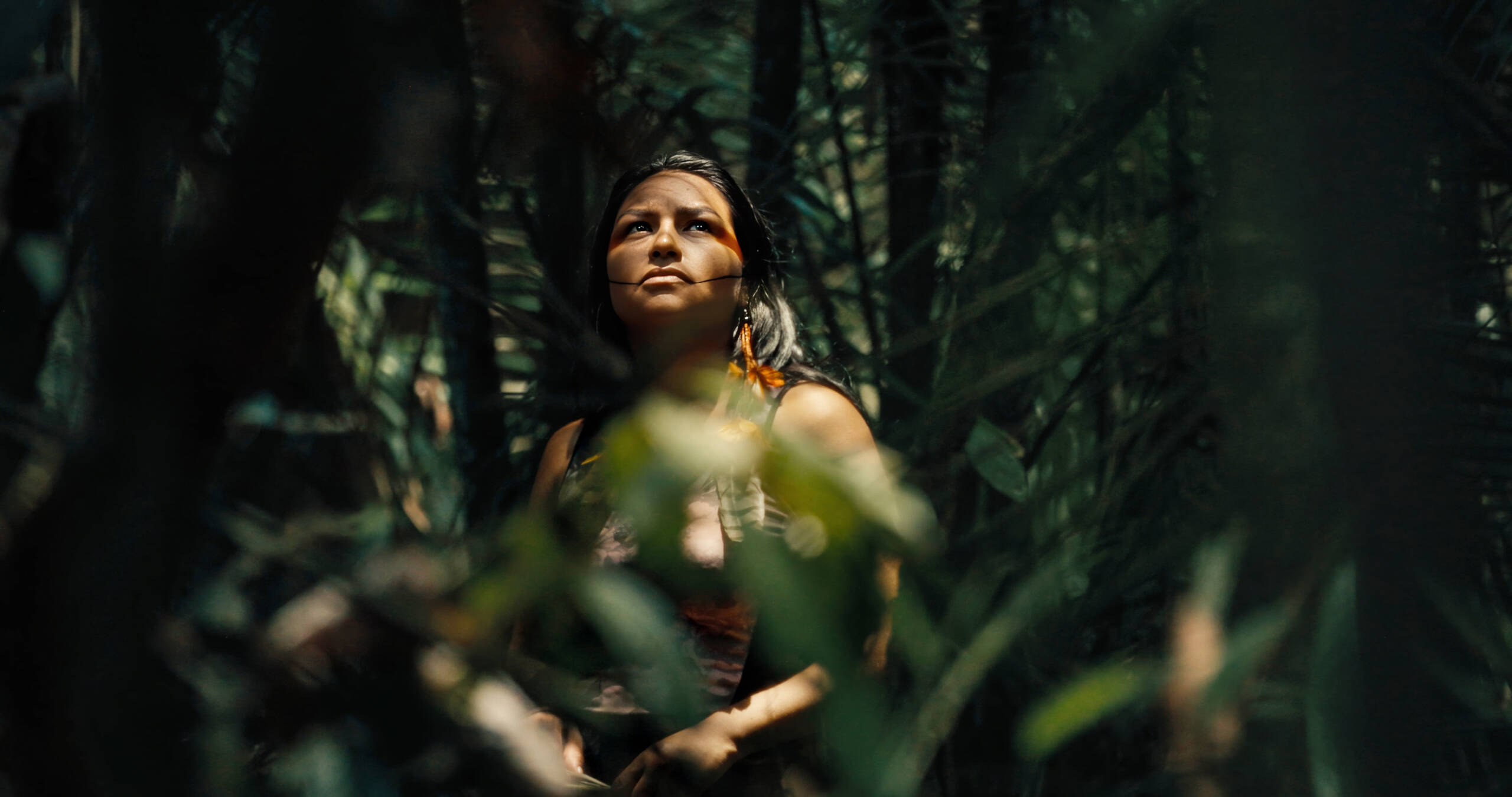
Yanuni
Yanuni follows the extraordinary journey of Juma Xipaia, an Indigenous chief from the Brazilian Amazon, as she rises from a remote village in Xipaya territory to the political frontlines of climate justice. A fearless defender of her people and the rainforest, Juma has survived six assassination attempts while confronting illegal gold miners, land-grabbers, and multinational corporations threatening her ancestral land. Spanning years of activism and personal sacrifice, the film captures Juma’s historic appointment as Brazil’s first Secretary of Indigenous Rights under President Lula. At her side is Hugo Loss, her husband and the head of Special Operations at IBAMA, Brazil’s environmental protection agency. As Juma fights on the political front, Hugo leads dangerous operations to dismantle illegal mining camps deep in the Amazon — often under armed threat. When Juma discovers she is pregnant, her battle takes on new urgency. Navigating impending motherhood, rising political responsibility, and Hugo’s high-risk missions, she is forced to confront the personal cost of resistance. Told with intimate access and cinematic urgency, Yanuni is both a love story and a call to action. It illuminates one of the world’s most critical environmental and human rights struggles through a deeply personal lens. At once epic and intimate, Yanuni is a powerful portrait of resilience, Indigenous sovereignty, and the fight to protect the world’s largest rainforest — for future generations and the planet we call home. Awards: IDA Award – Honorable Mention 2025 in the Feature Documentaries Category – International Documentary Association Best Documentary – Special Mention – Palm Springs International Film Festival 2026 (USA)
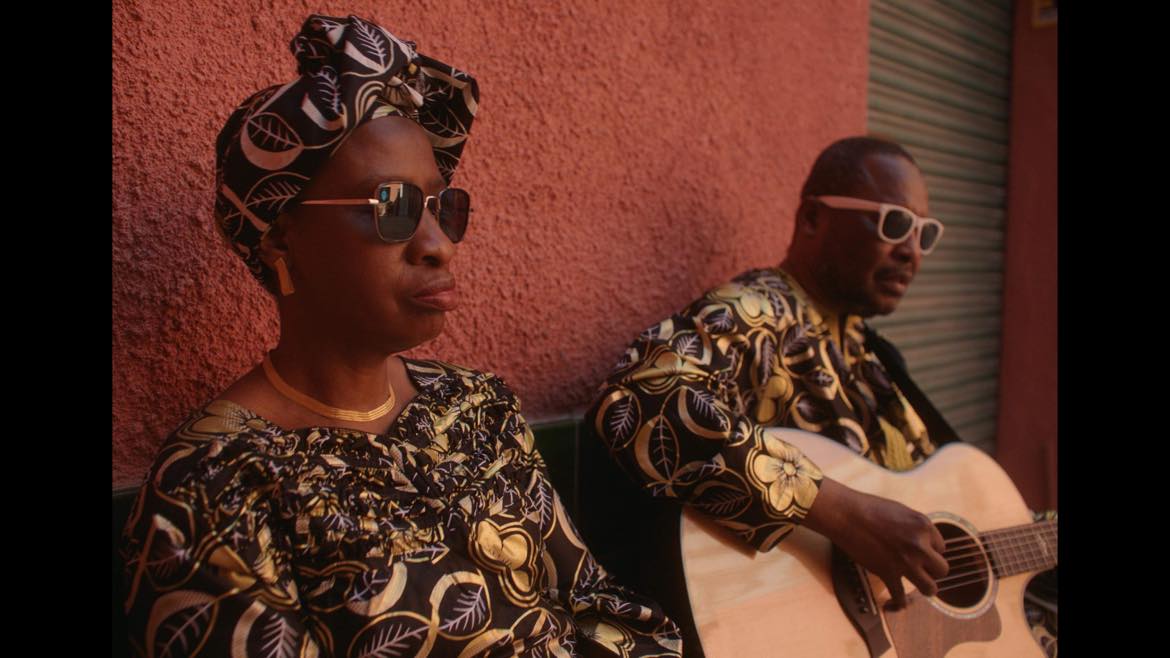
Amadou & Mariam – The Blind Couple From Mali
This documentary follows Amadou & Mariam, the blind musical duo from Mali whose legendary sound has captivated audiences worldwide, as they embark on an extraordinary journey to record a new album, reconnect with their roots, and redefine their iconic music. Traveling across Spain, France, and Mali, the duo draws inspiration from the landscapes, traditions, and rhythms that shaped their sound while embracing fresh influences that push their music in new directions. The film offers an intimate look at their creative process, capturing both the joy and challenges of crafting a new studio album. Through behind-the-scenes footage and personal interviews, viewers witness their warmth, humour, and resilience, gaining insight into two artists whose music transcends borders. Amadou & Mariamʼs journey is enriched by conversations with a stellar lineup of collaborators and admirers, including Damon Albarn, Chris Martin, Sofi Tukker, Mokobe, Matthieu Chedid, Tiken Jah Fakoly, and Vieux Farka Touré, who reflect on the duoʼs global impact and artistic influence. Visually striking and emotionally resonant, the documentary weaves together studio sessions, live performances, and intimate moments across three countries, offering a cinematic exploration of music, identity, and legacy. Ultimately, itʼs a celebration of creativity, cultural connection, and the transformative power of music through the eyes of two extraordinary artists. Today, it also stands as a tribute to Amadou Bagayoko, who sadly left this world on 4 April 2025.
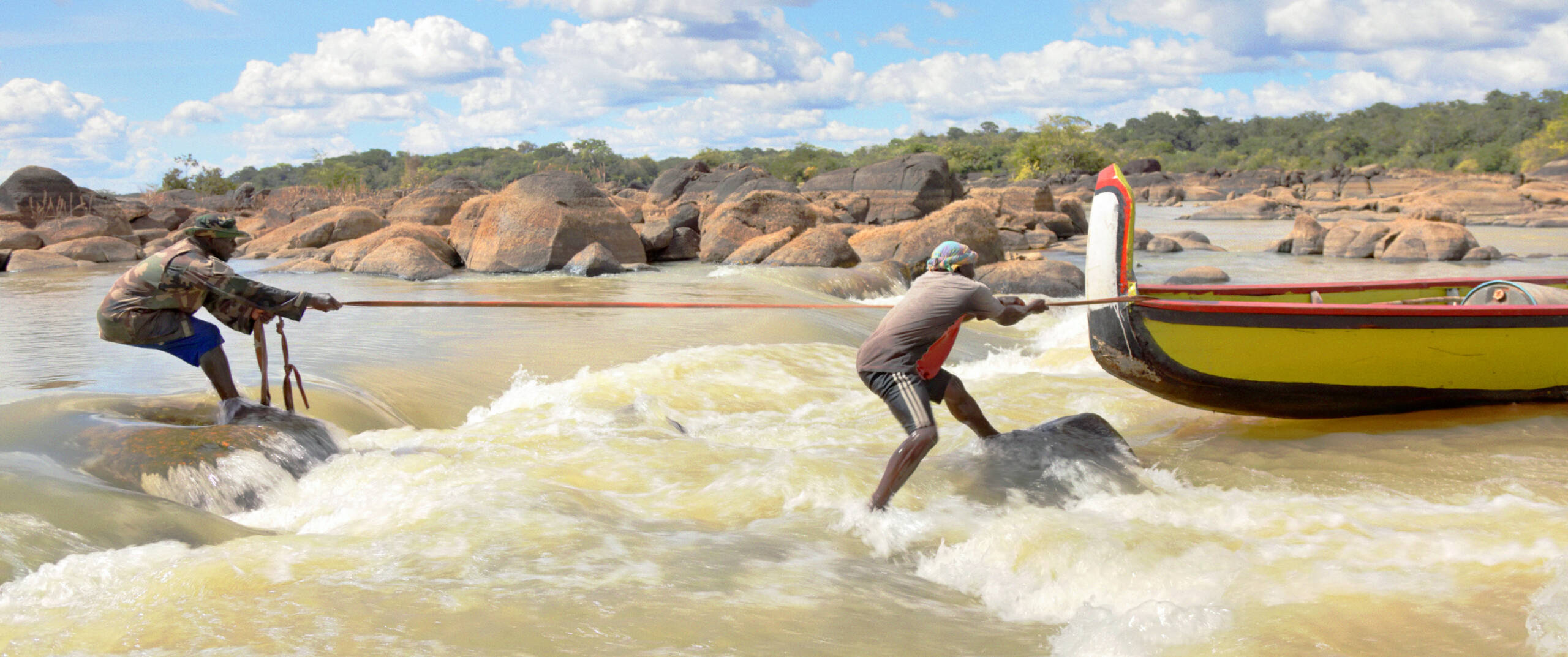
Monikondee
For centuries, the Maroons in Suriname have kept capitalist society at bay. Descendants of enslaved Africans who escaped plantations, they survived by adhering to ancestral values. In recent years, however, economic interests have penetrated deep into the rainforest. Monikondee follows boatman Boogie as he navigates the Maroni River, which forms the border between Suriname and French Guiana, to deliver essential cargo to remote Maroon and Indigenous communities. Despite growing their own food, , these communities are becoming increasingly dependent on boatmen for their daily provisions as climate-driven flooding and droughts are destroying their crops, and gold mining is poisoning the water. When Boogie is summoned by his clan leaders to attend his nephew’s trial, the demands of his work begin to conflict with his traditional duties. During a winding journey far upstream, the currents grow increasingly unpredictable. Boogie is the film’s narrator, sharing this role with the people he encounters. The multi-voiced narrative draws inspiration from the mato, a collective Maroon storytelling technique in which the storyteller is interrupted by others who add their own stories and songs. The script was developed in dialogue with the participants, and in the film, they re-enact their own lives. The film Monikondee won the Intangible Heritage Award at Cinéma du Réel 2025 in Paris (France).
Silent Flood
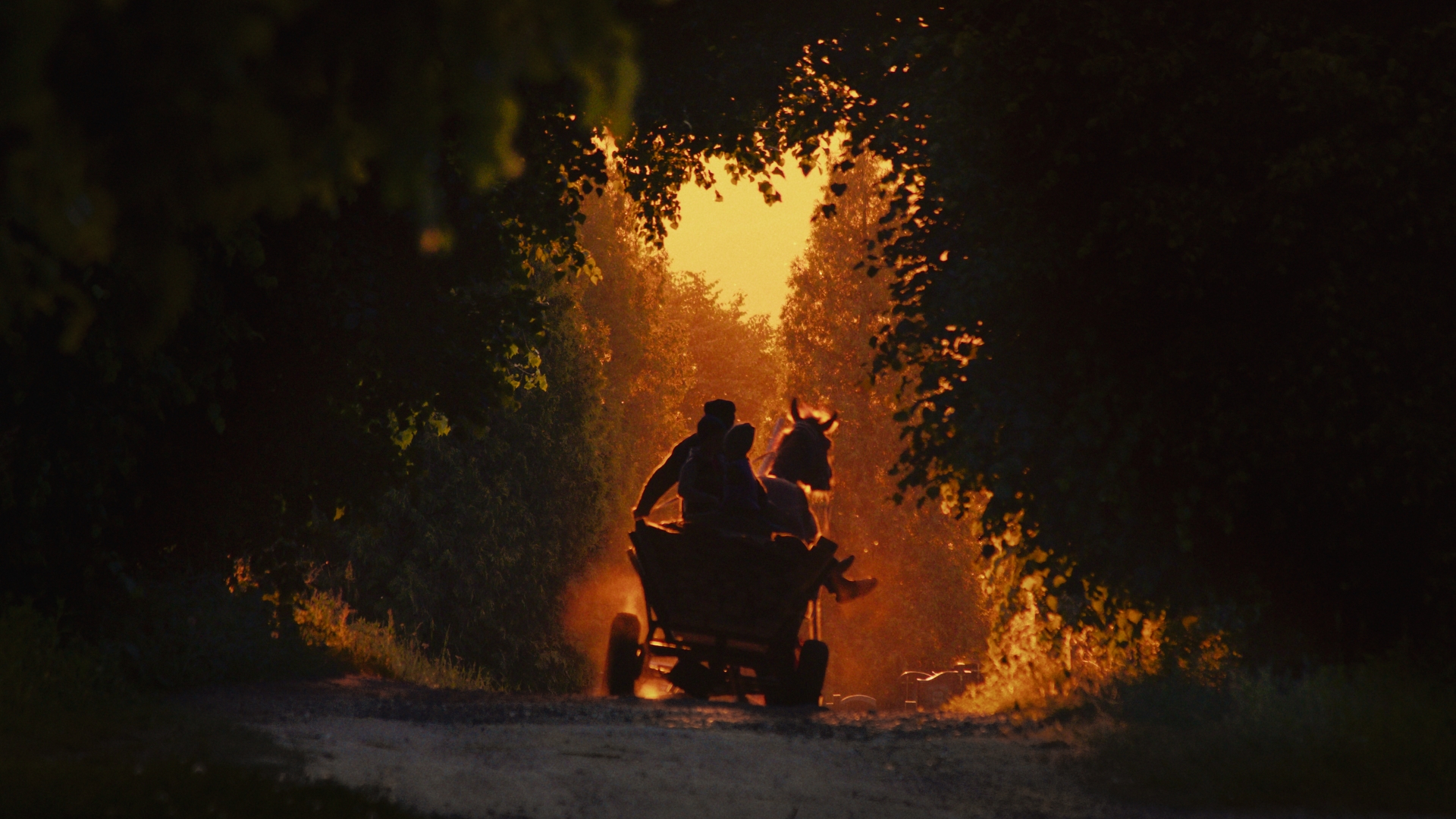
A closed religious community in Ukraine has chosen to live in a beautiful landscape, where the front lines of both World War I and World War II once passed. It’s a sunny village filled with the laughter of children from large families. Yet, the community’s peaceful life is frequently disrupted by floods and war – two points serving as moments of reckoning in their memory. Nature and war are both relentless forces that take lives. The community comes together to overcome the aftermath of floods. The flood alters community life, just as the country is reshaped by war. Together with the community, we observe transformations, where the current war intertwines with the past ones, but the feeling of home can never be taken away from anyone. Award: Award for Best Cinematography in International Competition – International Documentary Film Festival Amsterdam 2025 (Netherlands)
Queens of Joy
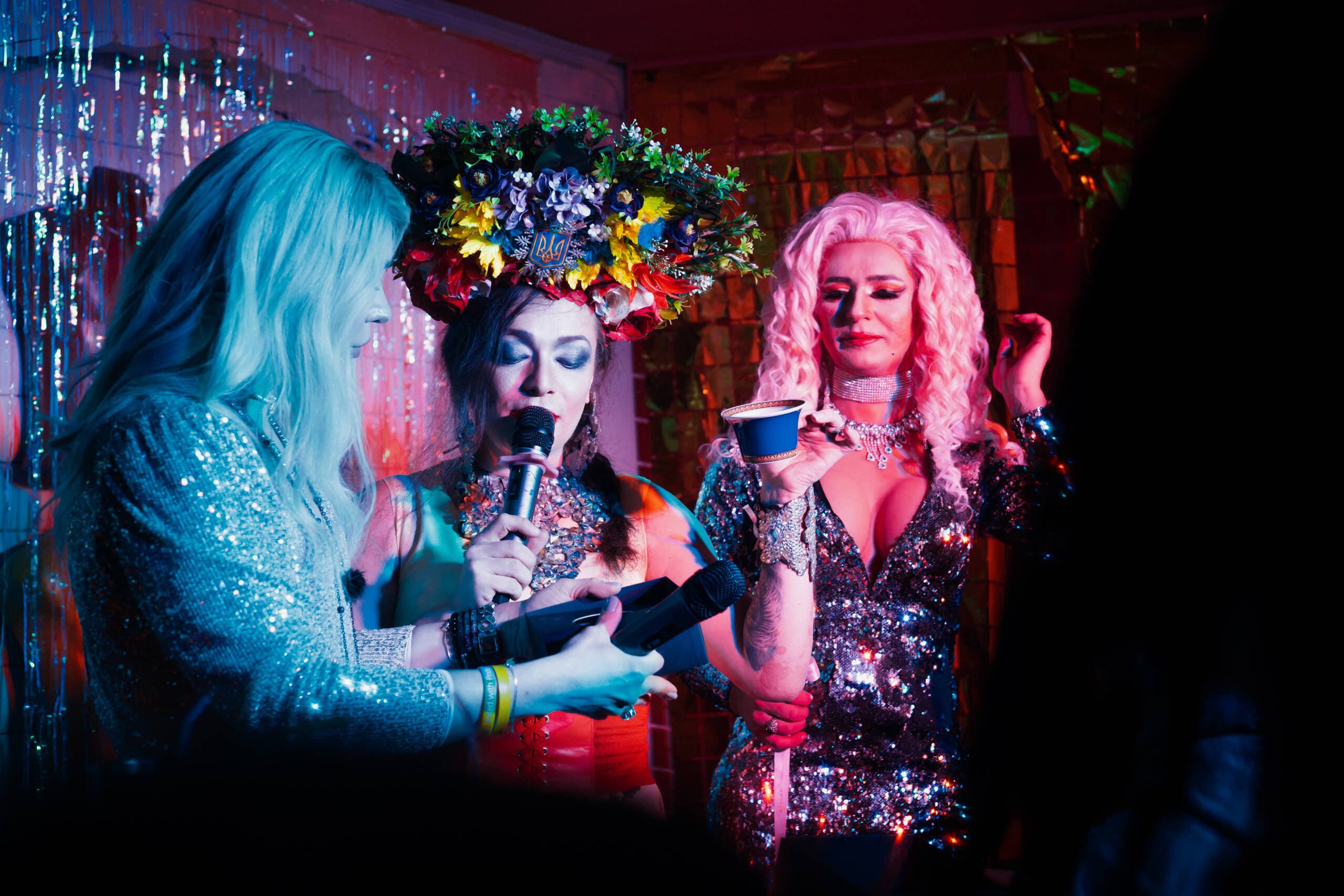
Three Ukrainian drag queens – Marlene, Monroe, and Aura – choose to remain in their war-torn country, fighting for LGBTQ+ inclusion amid Russiaʼs invasion. Spanning from the 2014 Maidan Revolution to spring 2024, their story blends the glamour of drag with the brutality of war. Marlene, a beloved drag icon, hides a vulnerable side as Alexander, grappling with trauma and family obligations. Monroe, a popular influencer, navigates her evolving gender identity while advocating for LGBTQ+ rights. Aura, determined to fight for inclusion in both the military and society, balances the chaos of war with her love for drag. A charity drag show becomes a powerful moment of unity and resilience. The protagonists’ complex personalities are revealed gradually along with their doubts and struggles. Yet these do not stand in the way of celebrating life. On the contrary, it is in difficult moments that the strength and courage of those who choose to face adversity shine through. The film is a story of self-discovery, love, hope, and the power to find joy even in the darkest of times. The film Queens of Joy was nominated for the Golden Alexander in the Newcomers Competition section at the Thessaloniki Documentary Film Festival 2025 (Greece).

Between Brothers
Elderly brothers René and Rob can’t do with or without each other. René lives the life of a recluse, in a house that is overflowing with stuff. When things threaten to get out of hand, his younger brother Rob intervenes. Filmmaker Tom Fassaert, Rob’s son, documents these weekly visits and recognizes a familiar dynamic. Rob, a retired psychologist, slips into the role of counsellor; René, a longtime psychiatric patient, becomes his client. Their underlying irritation is genuine, but so is their affection. As Rob and René repeat the same ritual every week, Tom begins to sense that something must be behind it. Something old and unspoken. In the family archives, he discovers a mystery: when the brothers were children, their father disappeared without a trace. No goodbye, no explanation, just an absence that has influenced three generations. Tom has explored his family history before. In “A Family Affair” (2015), he examined the legacy of an emotionally elusive mother. In “Between Brothers”, he turns to his father and uncle. He takes them on a road trip without a clear destination, in search of traces of a man who deliberately left none behind. En route, it becomes clear that the man who disappeared has left more than just questions. He has left a blueprint for how men in this family withdraw and retreat, each in their own way. The film Between Brothers won the Dutch Focus Award at the Movies that Matter 2026 festival in The Hague (Netherlands).
ORGANIZERS

FINANCIAL PARTNERS







PARTNERS






















MAIN MEDIA PARTNERS






MEDIA PARTNERS